
Why High-Quality Matcha Is Becoming Harder to Find
The Truth Behind Global Supply and Demand
Over the past few years, matcha has exploded in popularity.
From specialty cafés to home kitchens, from wellness enthusiasts to professional chefs, demand for high-quality matcha has grown faster than ever before.
Yet at the same time, many buyers are noticing something else:
true high-quality matcha is becoming increasingly difficult to source.
Prices are rising, availability is inconsistent, and products labeled “ceremonial grade” vary wildly in quality. So what’s really happening?
The answer lies in the growing imbalance between global demand and a very limited supply chain.
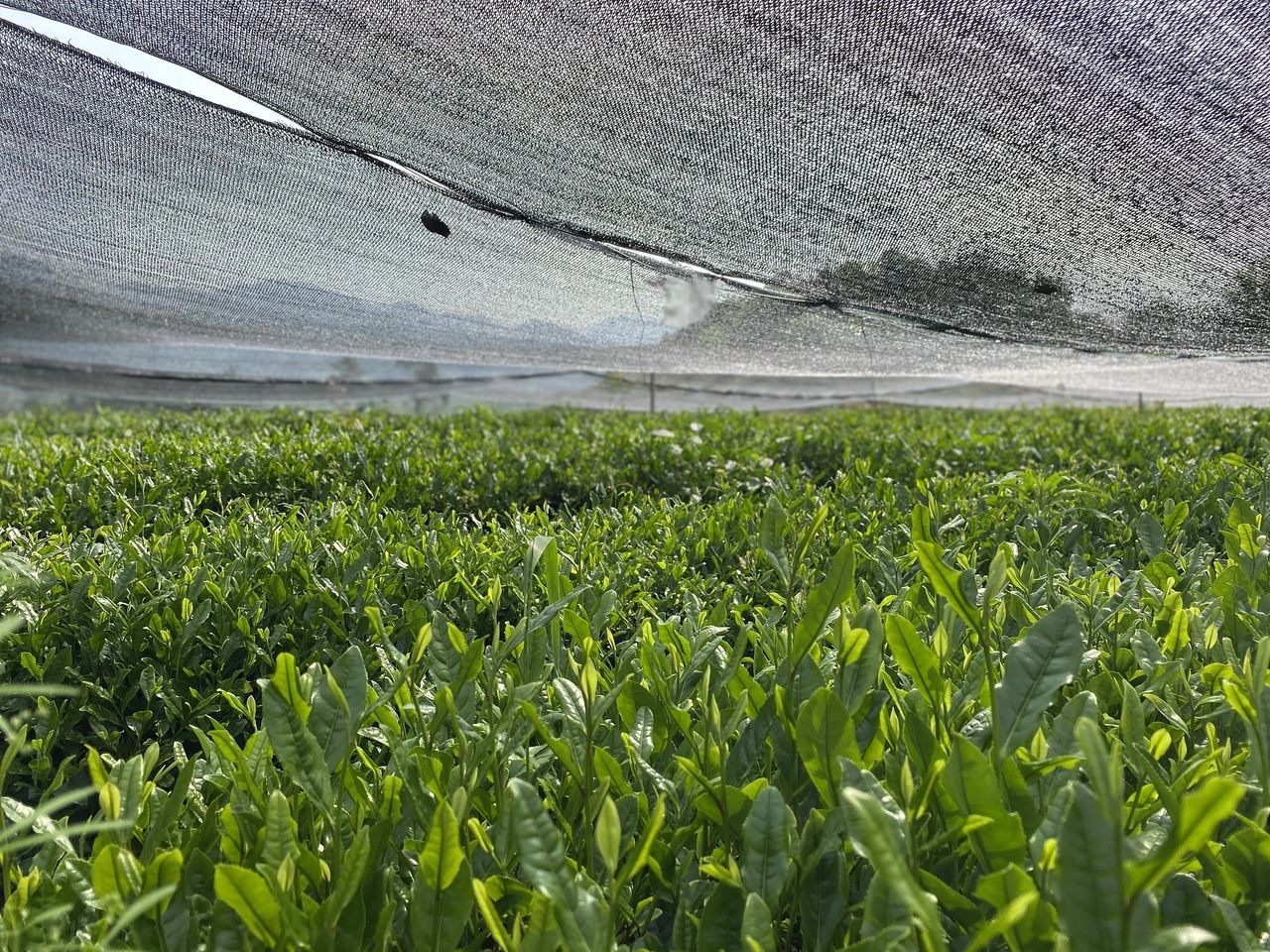
Matcha Is Not Just Green Tea Powder
One of the biggest misconceptions driving the market is the belief that matcha is simply finely ground green tea.
In reality, authentic matcha requires a highly specialized production process, including:
- Shade-growing tea plants for 3–4 weeks before harvest
- Hand-selecting young leaves with high amino acid content
- Removing stems and veins to produce tencha
- Slow stone-grinding to preserve color, aroma, and nutrient
Each step is time-intensive, labor-dependent, and difficult to scale.
Unlike coffee or black tea, matcha production cannot be industrialized without compromising quality.
Demand Is Growing Faster Than Supply Can Respond
Global interest in matcha has surged due to several trends:
- Increased focus on functional wellness and clean energy
- Matcha’s reputation for calm alertness (L-theanine + caffeine)
- Social media exposure and café culture
- Expansion into baking, desserts, and ready-to-drink products
However, the supply of true matcha has not grown at the same pace.
High-quality matcha is produced in limited regions, primarily in some region in Japan and China, and relies on experienced farmers, seasonal harvests, and traditional milling methods. Scaling this process takes years, not months.
As a result, demand is rising exponentially while supply remains relatively fixed.
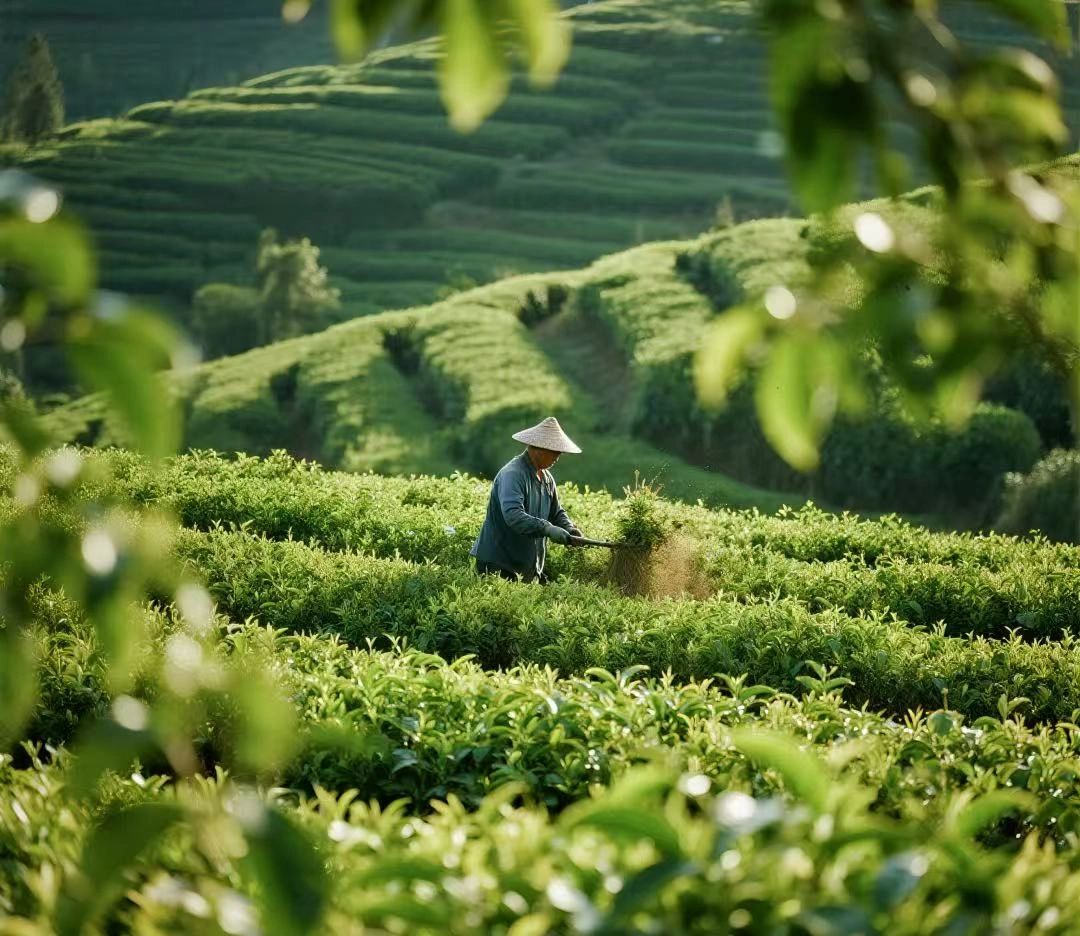
Skilled Farmers and Mills Are Becoming Scarce
Another overlooked issue is labor.
Many experienced tea farmers and stone mill operators are aging, and fewer younger generations are entering the industry. Producing high-grade matcha requires years of training and deep knowledge of cultivation and processing.
This creates a bottleneck:
- Fewer skilled producers
- Limited milling capacity
- Longer lead times for premium grades
Even when raw tea leaves are available, high-quality milling capacity is often the true constraint.
“Ceremonial Grade” Has No Legal Definition
As demand increases, so does market confusion.
In many countries, including the U.S., terms like ceremonial grade or premium matcha are not legally regulated. This has led to widespread misuse of labeling, with vastly different products marketed under the same names.
Some powders labeled as ceremonial matcha may be:
- Later harvest tea
- Pan-fired instead of stone-ground
- Blended with lower-grade material
- Ground using high-heat industrial mills
This makes it harder for buyers to distinguish true quality, and adds to the perception that “good matcha is disappearing.”
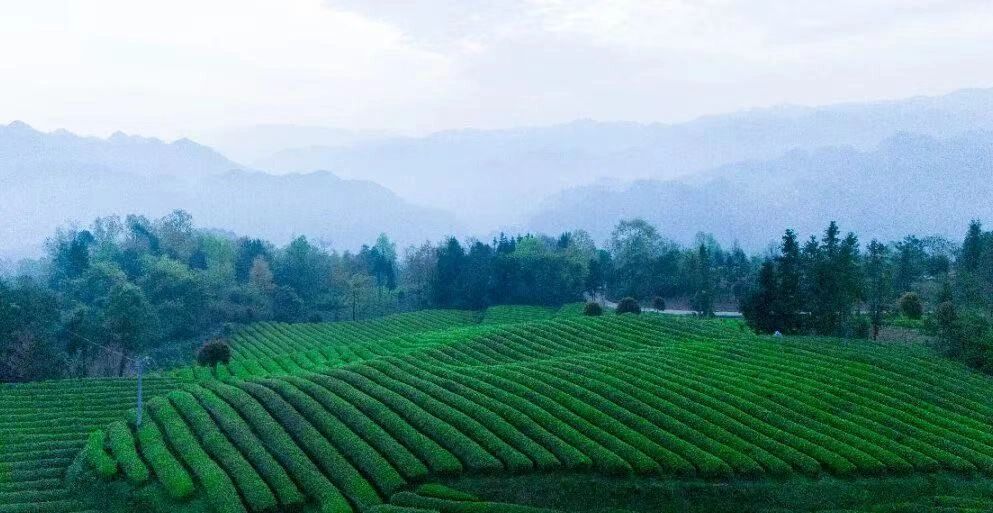
Climate and Agricultural Pressure Add Another Layer
Like all agricultural products, matcha is also affected by environmental factors.
Changing weather patterns, inconsistent rainfall, and rising temperatures impact tea yields and leaf quality. For shade-grown tea in particular, climate stress can significantly reduce the amount of leaf suitable for high-grade matcha.
Lower yields mean:
- Less top-tier matcha available
- More competition for the same limited supply
- Higher prices across the market
What This Means for Buyers and Businesses
For cafés, bakeries, and brands, sourcing matcha is no longer just about price. It’s about understanding origin, production, and consistency.
High-quality matcha will continue to:
- Be limited in supply
- Require longer planning cycles
- Vary by harvest and origin
This makes trusted sourcing, transparency, and long-term relationships more important than ever.
The Role of Matchia
At Matchia, we focus on bridging the gap between growing global demand and limited high-quality supply.
Rather than chasing labels or short-term trends, we prioritize:
- Transparent sourcing across our matcha wholesale supply chain
- Clear differentiation between grades and real-world use cases
- Education for buyers, partners, and businesses sourcing matcha in bulk
- Matcha selected for performance, consistency, and application — not marketing terms
As demand for matcha wholesale and bulk matcha powder continues to grow worldwide, understanding what truly defines high-quality matcha is essential for navigating today’s evolving market.
Final Thoughts
High-quality matcha isn’t disappearing, but it is becoming more precious.
As demand rises and supply remains constrained, the future of matcha belongs to those who respect the craft, understand the process, and value quality over shortcuts.
Knowing the difference makes all the difference.