
What Café Owners Should Ask a Matcha Wholesale Supplier
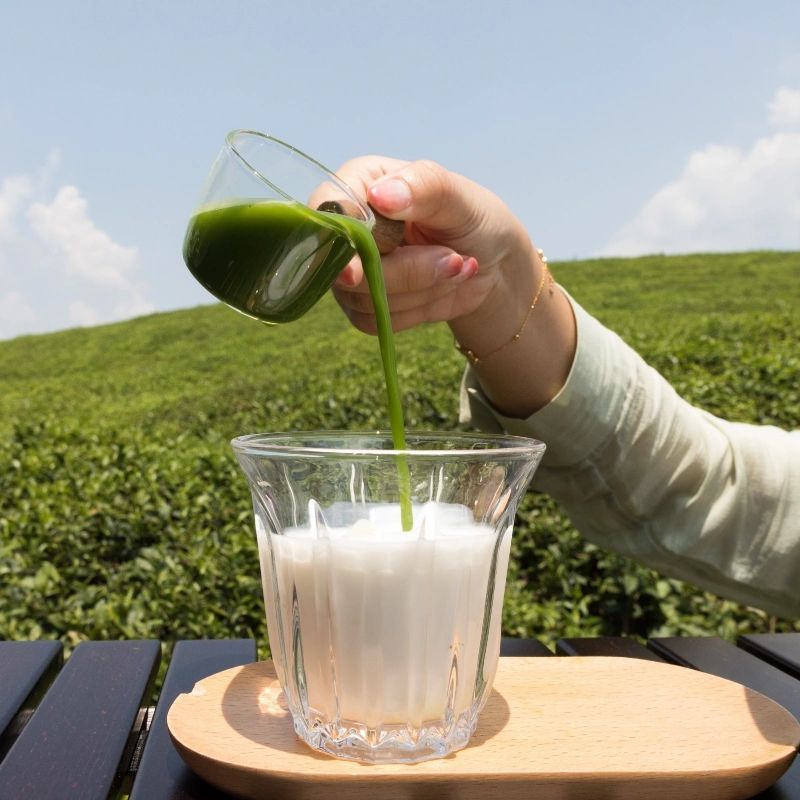
Matcha is no longer a niche item on café menus.
From lattes and cold foam to desserts and seasonal drinks, matcha has become a core ingredient for many cafés.
Yet many café owners discover too late that choosing a matcha wholesale supplier isn’t just about price or grade labels.
The wrong choice can lead to inconsistent drinks, frequent recipe adjustments, staff retraining, and unexpected supply disruptions.
Before committing to a supplier, asking the right questions upfront can save significant time, cost, and frustration.
Below are the key questions every café owner should consider.
1. How do you ensure consistency across reorders?
Matcha is an agricultural product. Natural variation between harvests, regions, and lots is unavoidable.
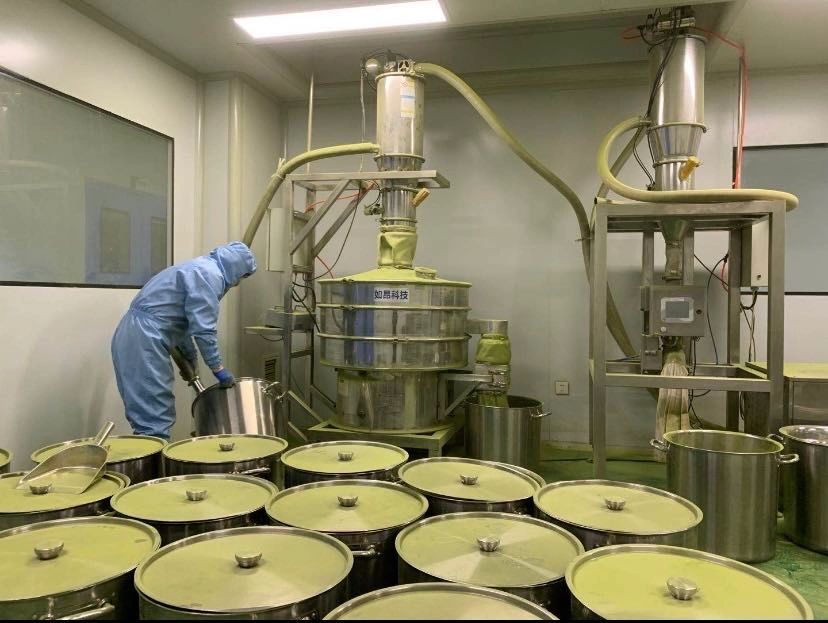
Rather than relying on single-lot sourcing, consistency is best achieved through how matcha is managed over time.
A controlled blending approach allows suppliers to balance flavor, color, and performance, even when individual lots show slight variation.
By adjusting blend compositions as new lots are introduced, suppliers can minimize noticeable differences between reorders, reducing the need for cafés to constantly recalibrate recipes or retrain staff.
For cafés, consistency is not just about taste. It directly affects operational stability.
2. Is this matcha designed for how I actually use it?
Matcha behaves very differently depending on application.
A matcha that tastes balanced when whisked with water may not perform the same way in milk-based drinks, cold beverages, or desserts.
Color retention, bitterness control, and solubility all change depending on how the matcha is used.
Café owners should ask suppliers whether the matcha has been tested in real-world applications such as:
- Lattes and milk drinks
- Cold drinks or iced beverages
- Pre-batched or scaled recipes
“High grade” does not automatically mean “right for every use.”
The best matcha for cafés is one that performs consistently in the drinks customers actually order.
3. What documentation can you provide?
Documentation is a critical part of wholesale sourcing, especially for cafés operating at scale.
At minimum, suppliers should be able to provide Certificates of Analysis (COA) per batch
If a supplier hesitates to provide documentation, that hesitation itself is a signal.
Reliable wholesale partners understand that documentation is part of doing business, not an exception.
4. How reliable is your lead time and supply?
Supply reliability matters because menu changes are expensive.
Reprinting menus, reformulating drinks, retraining staff, or disappointing regular customers all carry real costs.
A dependable supplier should be able to support regular reorders through inventory planning and clear communication.
For larger volumes, customized formulations, or private-label packaging, advance planning is typically required.
In cases of unexpected supply gaps, having access to functionally similar matcha profiles can help cafés avoid immediate disruption.
That said, in the current global matcha market, forward planning and holding adequate inventory remain the most reliable ways to protect menu stability.
5. Can I test the matcha the way my café actually uses it?
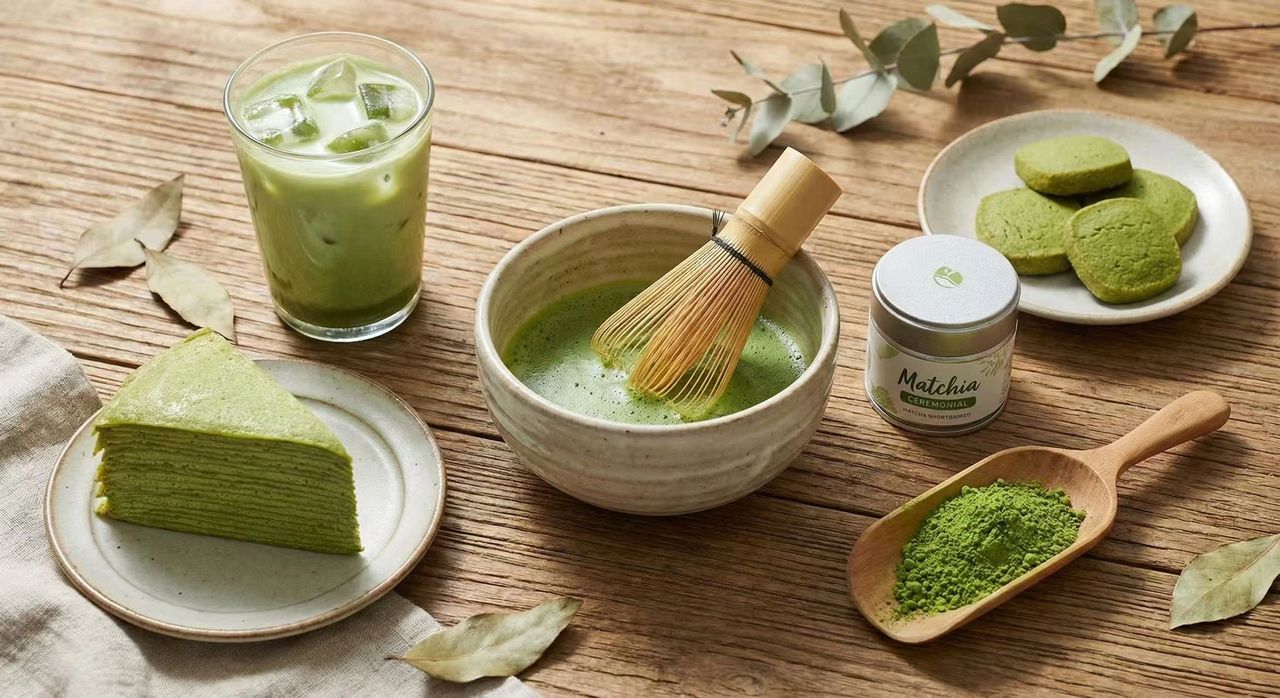
One whisked bowl of matcha does not tell the full story.
Cafés should test samples using:
- Their own milk
- Their water
- Their existing recipes
A good wholesale supplier encourages real-world testing, not just a quick tasting.
This helps ensure the matcha behaves as expected once it’s on the menu, not just during sampling.
6. How is your pricing structured, and what does it include?
Wholesale pricing is not only about cost per kilogram.
It also reflects:
- Consistency management
- Documentation and testing
- Supply reliability
- Ongoing support
Rather than asking whether a matcha is “cheap” or “expensive,” café owners should ask what they are actually paying for, and what happens after the first order is placed.
.webp/:/cr=t:0%25,l:0%25,w:100%25,h:100%25/rs=w:1280)
7. What kind of partner are you long term?
Finally, café owners should consider whether a supplier is simply selling tea, or supporting the success of matcha on their menu.
Long-term partners are willing to:
- Discuss application challenges
- Help troubleshoot flavor or performance issues
- Support menu development over time
Choosing a matcha wholesale supplier is not just a purchasing decision.
It is an operational one.
Final Thoughts
The right matcha supplier should welcome these questions, not avoid them.
Asking them early helps cafés build more consistent drinks, protect menu stability, and reduce operational friction as matcha becomes a core part of their business.
For café owners and beverage brands sourcing matcha wholesale, working with a supplier that understands real-world applications, consistency, and supply reliability matters more than labels.
At Matchia, we focus on supporting cafés and partners with matcha built for practical use, not marketing terms.