
Why “Ceremonial Grade” Means Nothing in the Global Matcha Market
In today’s global matcha market, few words are used more often, and more incorrectly, than “ceremonial grade.”
Cafés, distributors, and consumers all assume it means “the best.”
But in reality, it means something very different depending on where the matcha comes from and how it will be used.
The problem is not that ceremonial grade is fake.
The problem is that there is no global definition of it at all.
There Is No Universal Matcha Grading System
Unlike wine, coffee, or olive oil, matcha has no internationally recognized grading standard.
Different regions use completely different systems:
- Some producers use internal factory grades
- Some use export grades
- Some use marketing labels
- Some use alphabetical or numeric systems (A, AA, 4A, 5A, etc.)
A “5A” matcha in one country may be identical to a “ceremonial” matcha in another, or completely different.
None of these labels are regulated.
None of them are comparable across borders.
They are simply local shorthand.
Once matcha enters the global market, all of these systems collapse into a few familiar words:
ceremonial, premium, latte, culinary.
These words sound official, but they are not.
What “Ceremonial” Really Means in Global Trade
In traditional tea culture, matcha was classified by:
- leaf harvest
- shading time
- processing method
- and intended use
But those distinctions were created for tea practitioners, not international trade.
When matcha began exporting at scale, buyers needed simple labels.
“Ceremonial” became a convenient umbrella term for “higher quality.”
Over time, it turned into a marketing signal rather than a technical one.
Today, “ceremonial” can describe:
- ultra-fine green tea powder
- blended café-grade powder
- or even relabeled industrial product
The same word now covers radically different materials.
That is why the label itself no longer communicates real quality.
What Actually Determines Matcha Quality
What matters is not the name, but the structure behind the powder.
Real matcha quality comes from four things:
1. Leaf Material
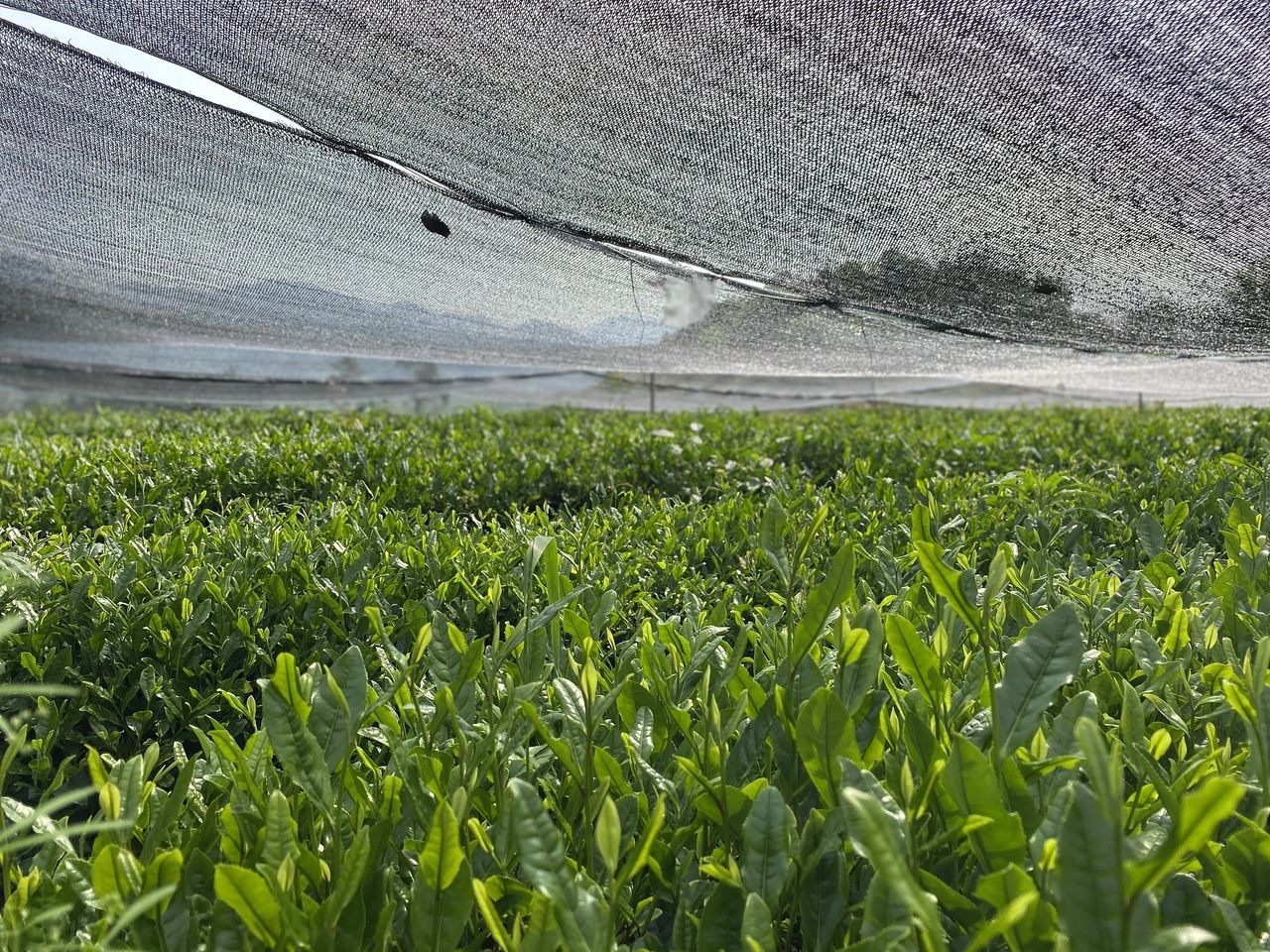
- harvest timing
- shading duration
- cultivar selection
These determine amino acids, bitterness, and aroma.
2. Processing
- steaming
- de-veining and de-stemming
- drying and aging
These shape smoothness and color stability.
3. Grinding
- stone milling vs jet milling
- fineness and particle uniformit
This affects how the matcha dissolves, foams, and behaves in liquids.
4. Intended Application
Matcha designed for:
- whisked tea
- milk drinks
- baking
- or ready-to-drink beverages
will require different structures and blends.
No single grade can be ideal for all uses.
Why “Ceremonial” Often Fails in Cafés
A matcha that performs beautifully in a tea bowl may perform poorly in a latte.
Ultra-fine ceremonial powders:
- clump more in milk
- lose aroma under sugar and fat
- become bitter when over-extracted
Cafés don’t need tradition.
They need stability, color, flavor in milk, and consistency across hundreds of drinks.
That requires:
- different leaf blending
- slightly different grind size
- higher oxidation tolerance
This is why café-grade and latte-grade matcha exist, even if some markets still call everything “ceremonial.”
The Real Problem: Buyers Are Forced to Guess
Because there is no universal grading system, most cafés are left guessing.
They order “ceremonial grade” expecting quality, but receive:
- a powder optimized for a different use
- or a blended export grade with no traceability
- or a product that changes from batch to batch
Without clear standards, buyers are not buying matcha, they are buying risk.
How Professional Matcha Sourcing Works
Professional matcha wholesale suppliers don’t sell labels.
They sell defined SKUs.
That means:
- fixed leaf sources
- controlled grind ranges
- stable color and flavor targets
- batch-level COAs
- and repeatable reorders
Instead of “ceremonial,” cafés should ask:
- Is this optimized for milk?
- Is this the same SKU every shipment?
- Can I reorder the same profile in six months?
Those answers matter more than any grade name.
Final Thought
At Matchia, we work within this global reality by focusing on clarity rather than labels. Whether for cafés, brands, or matcha wholesale partners, what matters most is how the tea performs in real drinks, not what it is called. In a market full of inconsistent grading systems, understanding that difference is what leads to better matcha decisions.